Introduction
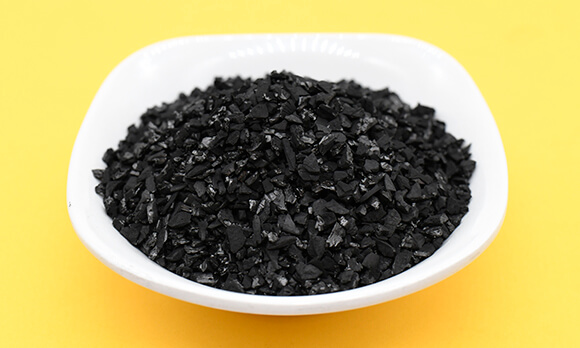
Industrial water treatment is critical for ensuring operational efficiency, environmental compliance, and product quality. Coconut shell activated carbon has become a cornerstone in industrial water treatment systems due to its high adsorption capacity, durability, and eco-friendly nature. From removing contaminants to recycling wastewater, it plays a versatile role across diverse industries.
This blog explores the applications, benefits, and technical aspects of coconut shell activated carbon in industrial water treatment, demonstrating its value in modern manufacturing and environmental sustainability.
Why Coconut Shell Activated Carbon?
Activated carbon derived from coconut shells offers several advantages over other types of activated carbon, such as coal or wood-based carbon. These include:
- Higher Micro-Porosity: Ideal for adsorbing smaller organic molecules like pesticides, dyes, and volatile organic compounds (VOCs).
- Sustainability: Made from renewable resources, it reduces the environmental impact of water treatment processes.
- Durability: Resistant to attrition and degradation, making it suitable for high-pressure industrial systems.
- High Adsorption Capacity: Removes a wide range of contaminants, including heavy metals, organic pollutants, and taste- and odor-causing compounds.
Applications of Coconut Shell Activated Carbon in Industrial Water Treatment
-
Process Water Treatment
Industries require high-purity water to ensure product quality and maintain equipment efficiency. Coconut shell activated carbon:
- Removes organic impurities, chlorine, and chloramines.
- Reduces fouling in boilers, heat exchangers, and other equipment.
- Enhances the quality of water used in food processing, pharmaceutical production, and chemical manufacturing.
-
Effluent and Wastewater Treatment
Effluents from industrial processes often contain harmful contaminants that must be treated before discharge or reuse. Coconut shell activated carbon:
- Adsorbs toxic substances like phenols, hydrocarbons, and pesticides.
- Reduces heavy metals such as lead, mercury, and cadmium when combined with other treatments.
- Neutralizes odors and improves wastewater quality for safe disposal or recycling.
-
Cooling Tower Water Treatment
In cooling towers, water quality impacts energy efficiency and equipment lifespan. Activated carbon:
- Removes organic matter that can cause scaling and fouling.
- Reduces biofilm formation by adsorbing nutrients that feed microbial growth.
- Enhances heat transfer efficiency and reduces operational costs.
-
Dechlorination
Industries using water from municipal supplies often need to remove chlorine to prevent corrosion and protect sensitive equipment. Coconut shell activated carbon is highly effective in dechlorination, ensuring water compatibility with industrial systems.
Technical Features of Coconut Shell Activated Carbon for Industrial Use
| Parameter | Value |
| Iodine Number | 950–1100 mg/g |
| BET Surface Area | 1000–1200 m²/g |
| Bulk Density | 0.45–0.55 g/cm³ |
| Moisture Content | ≤ 5% |
| Ash Content | ≤ 3% |
| Particle Size | Customizable to system needs |
Advantages of Coconut Shell Activated Carbon in Industrial Systems
-
Cost-Effective
- Long lifespan reduces replacement frequency.
- Enhances system efficiency, lowering operational costs.
-
High Purity
- Minimal ash content ensures no secondary contamination.
- Neutral pH makes it suitable for sensitive applications.
-
Versatility
- Available in granular and powdered forms to suit various system designs.
-
Eco-Friendly
- Supports sustainability goals by utilizing renewable materials and reducing industrial waste.
Real-World Case Studies
Case Study 1: Food and Beverage Industry
A beverage manufacturer faced challenges with water quality affecting product taste. By integrating coconut shell activated carbon into their water treatment process, they achieved:
- Improved water taste and purity.
- Compliance with stringent quality standards.
- Reduction in chlorine and organic compounds.
Case Study 2: Pharmaceutical Production
A pharmaceutical company required ultra-pure water for drug formulation. Coconut shell activated carbon was used to:
- Remove organic impurities and VOCs.
- Ensure consistency in product quality.
- Extend the lifespan of reverse osmosis membranes by pre-treating the feed water.
How to Use Coconut Shell Activated Carbon in Industrial Water Treatment
- System Design:
- Choose the appropriate form (granular or powdered) based on system requirements.
- Installation:
- Incorporate carbon beds in water treatment systems, ensuring even flow distribution.
- Maintenance:
- Monitor carbon performance and schedule timely replacement to maintain efficiency.
- Regeneration:
- Spent carbon can often be regenerated through thermal or chemical processes, reducing waste.
Environmental Benefits
- Waste Reduction
- Coconut shell activated carbon is produced from agricultural by-products, minimizing waste and supporting the circular economy.
- Water Conservation
- Enables wastewater recycling, reducing the demand for freshwater resources.
- Emission Control
- Adsorbs volatile organic compounds (VOCs) from industrial processes, reducing air pollution.
Frequently Asked Questions
Q1: How often should activated carbon be replaced in industrial systems?
- Replacement depends on the level of contaminants and system usage. Regular monitoring is essential to determine optimal replacement intervals.
Q2: Can spent activated carbon be regenerated?
- Yes, coconut shell activated carbon can often be regenerated for reuse, reducing operational costs and environmental impact.
Q3: Is coconut shell activated carbon effective for heavy metal removal?
- While it adsorbs certain heavy metals, it’s often used alongside other treatment methods for optimal results.
Conclusion
Coconut shell activated carbon has become an integral part of industrial water treatment systems, offering unparalleled efficiency, cost-effectiveness, and sustainability. Its ability to remove a wide range of contaminants ensures water quality for industrial processes, safeguarding both equipment and the environment.
For premium-quality coconut shell activated carbon tailored to your industrial needs, contact Cairo Minerals today!