Introduction
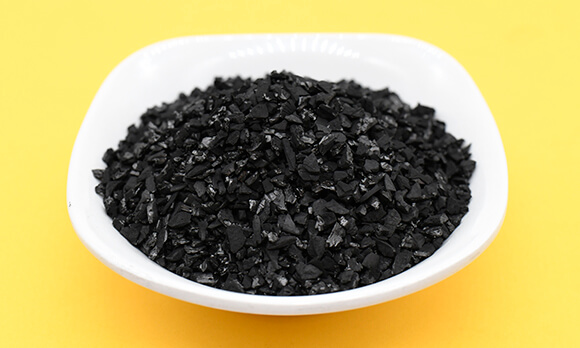
Water is a vital resource for life, industries, and agriculture, but increasing pollution and scarcity demand advanced water treatment technologies. Coconut shell activated carbon has proven to be a game-changer in water purification systems due to its exceptional adsorption properties and eco-friendly nature. From municipal water systems to industrial applications, it ensures clean, safe, and reusable water. In this blog, we explore how coconut shell-activated carbon enhances advanced water treatment processes, its applications, and the environmental and economic benefits it offers.
Why Coconut Shell Activated Carbon in Advanced Water Treatment?
Coconut shell activated carbon is widely used in advanced water treatment technologies because of its:
High Adsorption Efficiency: Removes a wide range of contaminants, including organic compounds, heavy metals, and chlorine.
Renewable Source: Made from coconut shells, it is an eco-friendly alternative to coal-based carbons.
Customizable Properties: Available in granular and powdered forms to suit specific treatment needs.
Chemical Stability: Performs well in diverse environmental and chemical conditions.
Applications of Coconut Shell Activated Carbon in Advanced Water Treatment
-
Drinking Water Purification
Ensuring safe drinking water is a global priority. Coconut shell activated carbon is used to:
- Remove chlorine, chloramines, and organic compounds.
- Improve taste and odor by eliminating impurities.
- Reduce harmful substances like pesticides and pharmaceuticals.
-
Industrial Water Treatment
Industries require high-quality water for production processes. Activated carbon:
- Treats process water by removing contaminants like VOCs and heavy metals.
- Reduces chemical oxygen demand (COD) and biological oxygen demand (BOD) in wastewater.
- Enhances water quality for reuse, reducing reliance on freshwater resources.
-
Municipal Wastewater Treatment
Municipal treatment plants use activated carbon to:
- Remove micro-pollutants, including endocrine disruptors and pharmaceuticals.
- Adsorb colorants and odors from wastewater.
- Ensure treated water meets environmental discharge regulations.
-
Desalination Plants
Activated carbon is integral to desalination processes, where it:
- Removes organic compounds and biofouling agents from seawater.
- Protects reverse osmosis membranes by pre-treating feed water.
- Enhances the efficiency and lifespan of desalination systems.
How Coconut Shell Activated Carbon Works in Water Treatment
-
Physical Adsorption
The porous structure captures impurities as water flows through the carbon bed.
-
Chemical Adsorption
Certain contaminants, such as chlorine and organic compounds, bind to the carbon surface through chemical reactions.
-
Pre-Treatment Support
Removing large contaminants enhances the performance of downstream technologies like reverse osmosis and UV systems.
Advantages of Coconut Shell Activated Carbon in Advanced Water Treatment
-
High Purity Levels
Contains minimal ash content, ensuring no secondary contamination of water.
-
Long Lifespan
Durable and efficient, reducing operational and replacement costs.
-
Eco-Friendly
Made from renewable coconut shells, aligning with sustainability goals.
-
Versatile
Effective in a variety of water treatment setups, from large-scale plants to household filters.
-
Customizable
Available in different particle sizes and activation levels for specific applications.
Technical Specifications for Advanced Water Treatment Applications
Parameter Value
BET Surface Area 1000–1200 m²/g
Iodine Number 950–1100 mg/g
Particle Size Customizable
Moisture Content ≤ 5%
Ash Content ≤ 3%
Real-World Case Studies
Case Study 1: Desalination Plant Efficiency
A desalination plant used coconut shell activated carbon in its pre-treatment system. The outcomes:
- Reduced organic fouling by 85%.
- Increased reverse osmosis membrane lifespan by 30%.
- Improved overall operational efficiency, reducing maintenance costs.
Case Study 2: Municipal Wastewater Reuse
A municipal wastewater plant integrated activated carbon for advanced treatment. The results:
- Removal of 95% of pharmaceuticals and endocrine disruptors.
- Treated water is reused for landscaping and industrial cooling systems.
- Compliance with strict environmental discharge standards.
Case Study 3: Industrial Water Recycling
A beverage manufacturer used activated carbon to treat process water for reuse. Benefits included:
- Reduction in freshwater consumption by 40%.
- Enhanced product quality due to purified water.
- Lower wastewater treatment costs.
Frequently Asked Questions
Q1: Can coconut shell activated carbon remove heavy metals?
Yes, while its primary focus is on organic pollutants, it can adsorb certain heavy metals like lead and mercury when combined with other filtration technologies.
Q2: How often should activated carbon filters be replaced in water treatment systems?
Replacement depends on contaminant load and system usage, but is typically required every 6–12 months.
Q3: Is it compatible with other advanced technologies like reverse osmosis?
Yes, activated carbon complements reverse osmosis and UV systems by pre-treating water and removing contaminants.
How to Maximize the Benefits of Coconut Shell Activated Carbon
Combine with Other Technologies:
Use alongside reverse osmosis, UV filtration, or ozonation for comprehensive water treatment.
Monitor Water Quality:
Regularly test treated water to determine carbon replacement schedules.
Opt for Customization:
Choose carbon grades tailored to specific contaminants and system requirements.
Environmental Impact of Coconut Shell Activated Carbon in Water Treatment
-
Reduces Water Pollution
Removes harmful contaminants, ensuring safe discharge or reuse.
-
Supports Water Conservation
Enables recycling of treated water, reducing reliance on natural freshwater sources.
-
Minimizes Carbon Footprint
Sustainable production process reduces environmental impact compared to coal-based carbons.
Conclusion
Coconut shell activated carbon is a cornerstone of advanced water treatment technologies, offering unparalleled efficiency, eco-friendliness, and versatility. From municipal systems to industrial plants and desalination facilities, it ensures clean, safe, and reusable water, addressing some of the world’s most pressing water challenges.
For high-quality coconut shell activated carbon tailored to your advanced water treatment needs, contact Cairo Minerals today!