
Introduction
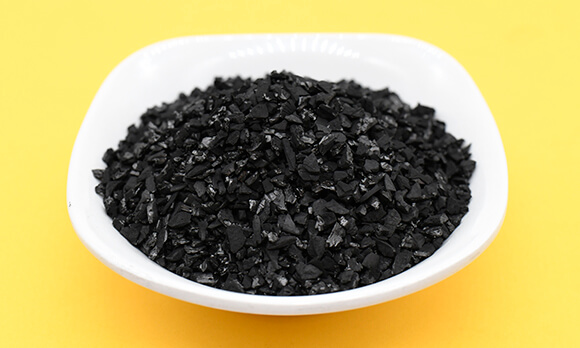
Unpleasant odors can significantly impact indoor air quality, industrial operations, and environmental conditions. From residential spaces to manufacturing facilities, controlling odors is essential for improving living and working environments. Coconut shell activated carbon has become a preferred solution for odor control due to its excellent adsorption properties, eco-friendly nature, and versatility.
In this blog, we explore how coconut shell activated carbon is used in odor control, its applications, technical advantages, and benefits across various industries.
Why Coconut Shell Activated Carbon for Odor Control?
Coconut shell activated carbon is highly effective for odor control because of its:
High Adsorption Efficiency: Captures odor-causing molecules, including volatile organic compounds (VOCs) and sulfur compounds.
Renewable and Sustainable Source: Made from coconut shells, it supports green practices.
Durability: Maintains performance over time, even in high-pollution environments.
Customizability: Available in granular and powdered forms to suit different odor control systems.
Applications of Coconut Shell Activated Carbon in Odor Control
-
Industrial Odor Control
Industries release odors from chemical processes, emissions, and waste. Activated carbon:
- Adsorbs VOCs, ammonia, and sulfur-based compounds.
- Neutralizes odors from food processing, wastewater treatment, and manufacturing.
- Ensures compliance with odor emission regulations.
-
Commercial and Residential Spaces
Activated carbon is widely used in HVAC systems and air purifiers to:
- Eliminate odors from cooking, smoking, and cleaning agents.
- Improve indoor air quality for homes, offices, and hotels.
- Provide a pleasant and comfortable environment for occupants.
-
Waste Management Facilities
Landfills and composting sites generate odors from decomposing organic matter. Activated carbon:
- Adsorbs odorous gases like hydrogen sulfide and ammonia.
- Reduces the impact of odor pollution on surrounding communities.
-
Automotive Cabin Air Filters
In vehicles, activated carbon:
- Removes odors from exhaust fumes and pollutants.
- Enhances passenger comfort by providing clean, odor-free air.
- Improves the driving experience in urban environments with high pollution levels.
How Coconut Shell Activated Carbon Works in Odor Control
-
Adsorption of Odor Molecules
The porous structure captures odor-causing molecules as air passes through the carbon bed.
-
Chemical Reactions
Sulfur compounds and VOCs react with activated carbon, neutralizing their odor-causing properties.
-
Integration with Filtration Systems
Coconut shell activated carbon is often combined with HEPA filters or other technologies for comprehensive air purification.
Benefits of Coconut Shell Activated Carbon in Odor Control
-
High Efficiency
Effectively removes a wide range of odor-causing compounds, ensuring fresher air.
-
Eco-Friendly
Sourced from renewable coconut shells, it is a sustainable choice for odor control.
-
Versatile
Suitable for use in industrial, commercial, residential, and automotive applications.
-
Long Lifespan
Durable and efficient, reducing the frequency of replacement and maintenance costs.
-
Improved Air Quality
Enhances living and working environments by eliminating unpleasant odors.
Technical Specifications for Odor Control Applications
Parameter Value
BET Surface Area 1000–1200 m²/g
Iodine Number 950–1100 mg/g
Particle Size Customizable
Bulk Density 0.45–0.55 g/cm³
Moisture Content ≤ 5%
Real-World Case Studies
Case Study 1: Food Processing Facility
A food processing plant faced complaints about strong odors from nearby communities. Coconut shell activated carbon filters were installed, leading to:
- A 90% reduction in odors.
- Improved relationships with local residents.
- Compliance with environmental odor regulations.
Case Study 2: Wastewater Treatment Plant
A municipal wastewater treatment facility struggled with odors from sulfur compounds. Using activated carbon:
- Hydrogen sulfide levels were reduced by 85%.
- Employee satisfaction improved due to better working conditions.
- The plant achieved regulatory compliance with odor emission standards.
Case Study 3: Hotel HVAC System
A luxury hotel incorporated activated carbon into its HVAC system to address odor complaints from cleaning agents and cooking exhaust. The results included:
- Significant odor reduction in common areas and guest rooms.
- Enhanced guest satisfaction scores.
- Reduced energy costs through efficient air circulation.
Frequently Asked Questions
Q1: Can coconut shell activated carbon remove strong industrial odors?
Yes, it is highly effective in adsorbing VOCs, ammonia, and sulfur compounds responsible for strong odors.
Q2: How long does activated carbon last in odor control systems?
Lifespan depends on usage and pollution levels but typically ranges from 6 to 12 months.
Q3: Is it safe for use in homes and offices?
Yes, it is non-toxic and safe for indoor use, making it ideal for HVAC systems and air purifiers.
How to Maximize the Effectiveness of Coconut Shell Activated Carbon
Use the Right Grade:
Select granular or powdered carbon depending on the application and system design.
Combine with Other Filters:
Pair activated carbon with HEPA filters for comprehensive air purification.
Regular Replacement:
Monitor performance and replace carbon filters as needed to maintain efficiency.
Environmental Impact of Coconut Shell Activated Carbon in Odor Control
-
Reduces Air Pollution
Adsorbs harmful gases and compounds, preventing their release into the atmosphere.
-
Supports Sustainability
Made from renewable coconut shells, it minimizes the environmental footprint of odor control processes.
-
Improves Public Health
Reduces exposure to harmful odors and pollutants, enhancing overall air quality.
Conclusion
Coconut shell activated carbon is a proven solution for odor control across industries and applications. Its ability to adsorb a wide range of odor-causing compounds, combined with its eco-friendly nature, makes it an indispensable material for improving air quality. Whether in industrial plants, residential spaces, or vehicles, activated carbon ensures a fresher, healthier environment.
For premium coconut shell activated carbon tailored to your odor control needs, contact Cairo Minerals today!